
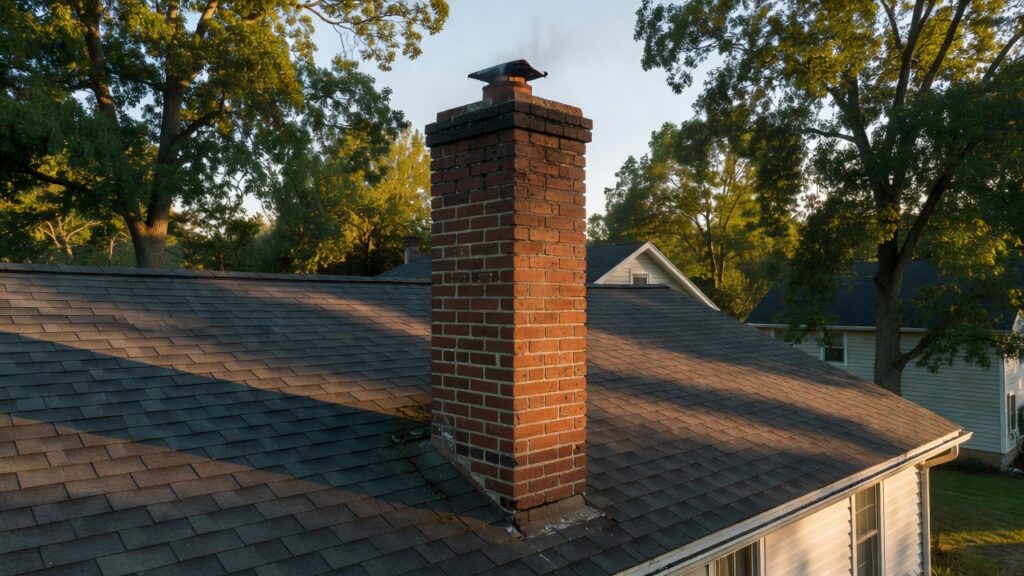
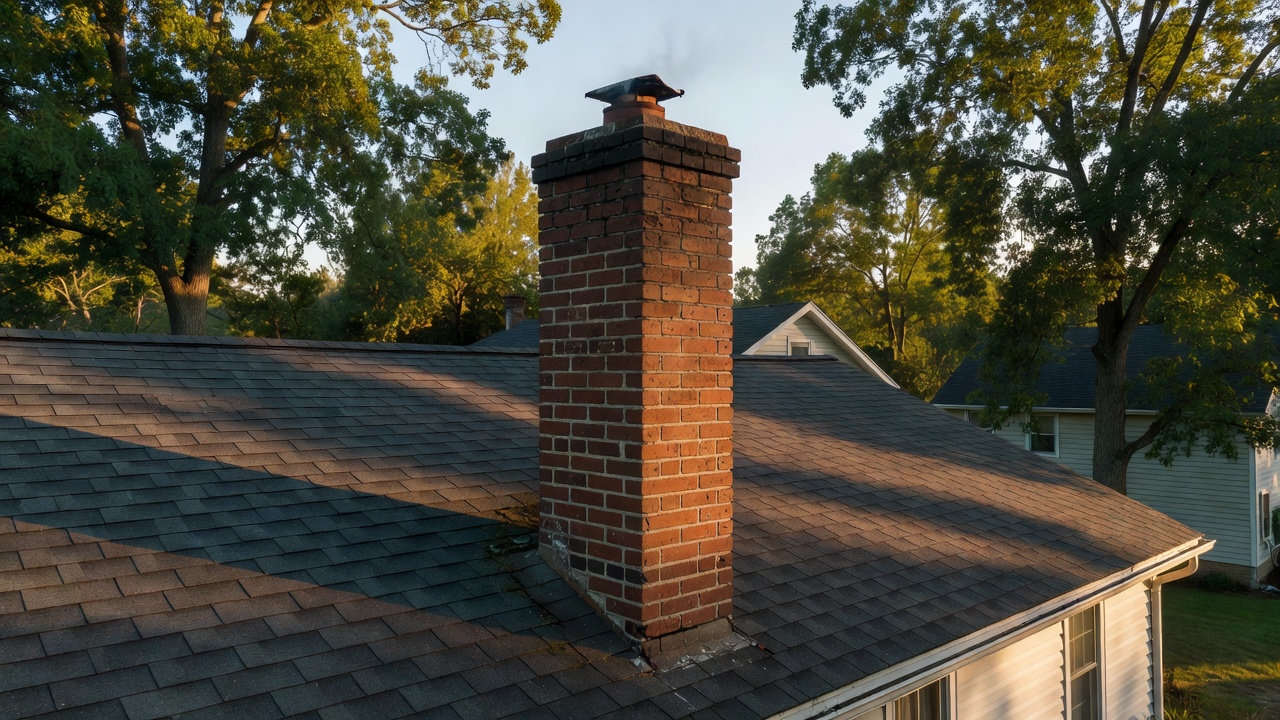
Understanding Common Chimney Problems in Haddon Heights
Most chimney problems don’t announce themselves with a dramatic fire or a collapsed flue. They often begin with a faint odor, a draft that never feels quite right, or a water stain that seems unrelated to the chimney. By the time many Haddon Heights homeowners schedule a chimney inspection, the issue has often been developing over one or more heating seasons.
Many Cape Cods, colonials, and other older homes throughout Haddon Heights and surrounding Camden County have masonry chimneys that have served homeowners for decades. Like any part of a home, these systems benefit from routine maintenance and periodic inspections.
The National Fire Protection Association (NFPA 211) recommends that chimneys, fireplaces, and vents be inspected at least once each year and cleaned whenever necessary. The Chimney Safety Institute of America (CSIA) also recommends regular inspections to help identify developing problems before the fireplace is used again.
Below are six of the most common chimney issues found during professional inspections, what they typically indicate, and the repair options that may be recommended.
Creosote Buildup That Gets Misread as a Minor Mess
What the homeowner notices
A tar-like odor in the living room, dark residue inside the fireplace, or a smoky smell that lingers even when the fireplace is not in use.
What’s actually happening
Creosote naturally forms inside the flue whenever wood is burned. Over time, deposits can accumulate and vary in thickness depending on the type of wood, moisture content, and how the fireplace is operated. A professional inspection helps determine the amount of buildup and whether chimney cleaning is recommended.
The fix
Professional chimney cleaning removes creosote using equipment designed for the chimney system. Heavier deposits may require additional cleaning methods depending on the condition of the flue.
Can it be prevented?
Burning properly seasoned firewood, maintaining efficient fires, and scheduling annual chimney inspections and cleanings can help reduce excessive creosote accumulation.
A Cracked Flue Liner That Gets Confused with Normal Wear
What the homeowner notices
White mineral deposits (efflorescence) on the chimney, smoke odors in rooms away from the fireplace, or visible deterioration identified during an inspection.
What’s actually happening
Clay tile liners may crack over time because of repeated heating and cooling, moisture intrusion, or previous chimney fires. Since much of the liner cannot be seen from the fireplace opening, a video inspection is often used to evaluate its condition.
The fix
Small, isolated damage may sometimes be repaired using an approved chimney restoration system. More extensive deterioration may require installing a new stainless-steel liner or another liner system that is appropriate for the chimney.
Typical cost: Depending on chimney height, accessibility, liner material, and project complexity, homeowners can generally expect chimney liner replacement to range from approximately $1,500 to $3,500 or more.
Can it be prevented?
Routine chimney inspections can identify liner deterioration before it becomes more extensive. Addressing moisture intrusion around the chimney crown, flashing, and masonry may also help reduce long-term damage.
Deteriorated Mortar Joints That Look Fine from the Ground
What the homeowner notices
Loose brick, missing mortar, debris inside the firebox, or visible gaps in the chimney masonry.
What’s actually happening
Mortar gradually deteriorates after years of exposure to weather. As joints wear away, moisture can enter the chimney and contribute to additional deterioration during seasonal freeze-thaw cycles.
The fix
Tuckpointing removes deteriorated mortar and replaces it with new mortar that is compatible with the existing masonry. The extent of the repair depends on the overall condition of the chimney.
Typical cost: Professional chimney tuckpointing in South Jersey typically ranges from approximately $400 to $1,200, depending on the amount of deteriorated mortar and the scope of repairs required.
Can it be prevented?
Routine inspections and timely masonry maintenance can help preserve the chimney and reduce future repair needs.
Damaged Chimney Crown Treated as a Cosmetic Issue
What the homeowner notices
Visible cracks across the chimney crown, moisture inside the fireplace after rain, or staining around the chimney.
What’s actually happening
The chimney crown helps direct water away from the chimney structure. Over time, weather exposure can cause cracks or deterioration that allow moisture to enter the masonry below.
The fix
Minor crown damage may be addressed by sealing or resurfacing the crown, while more significant deterioration may require rebuilding or replacing it.
Typical cost: Minor chimney crown repairs often range from approximately $200 to $600, while a complete chimney crown replacement may range from $400 to $900 or more, depending on the chimney size and overall condition.
Can it be prevented?
Regular inspections and addressing minor cracks early can help reduce moisture intrusion and extend the life of the chimney crown.
Drafting Problems That Get Blamed on the Fireplace
What the homeowner notices
Smoke entering the room, difficulty starting a fire, or cold air coming from the fireplace.
What’s actually happening
Draft problems may result from several factors, including chimney blockages, damper issues, chimney design, nearby trees or structures, or changes in household airflow caused by exhaust fans and home renovations.
The fix
A professional chimney inspection helps determine the source of the drafting issue before recommending repairs or adjustments appropriate for the chimney system.
Can it be prevented?
Regular inspections and chimney cleaning help maintain proper airflow and identify developing issues before they affect fireplace performance.
An Inspection That Gets Skipped Because the Fireplace “Isn’t Used Much”
Even fireplaces that are used only occasionally remain exposed to weather, moisture, natural aging, and wildlife activity. These conditions can affect the chimney system regardless of how often a fire is burned.
The National Fire Protection Association (NFPA 211) recommends annual chimney inspections because they help identify creosote buildup, masonry deterioration, chimney liner concerns, moisture intrusion, and other maintenance needs before the fireplace is used again.
Schedule a Professional Chimney Inspection in Haddon Heights
If you’ve noticed changes in your fireplace’s performance or have concerns about your chimney’s condition, scheduling a professional inspection is a practical first step.
Barrington Chimney proudly provides chimney inspections, chimney cleaning, masonry repair, chimney liner services, and chimney maintenance throughout Haddon Heights, Barrington, and surrounding Camden County communities. Our experienced team performs thorough evaluations, explains any recommended maintenance, and helps homeowners make informed decisions about caring for their chimney systems.
Contact Barrington Chimney today to learn more about our services or to schedule a professional chimney inspection.
Our services
Chimney Cleaning & Sweeping · Chimney Sweep in Runnemede · Chimney Sweep in Lawnside · Chimney Sweep in Barrington · Chimney Sweep in Barrington · Chimney Sweep in Barrington Safe Fires Start with a Clean…
Areas we serve
Barrington, NJ · Barrington, NJ · Barrington, NJ · Barrington, NJ · Barrington, NJ