
What a CSIA Certified Chimney Sweep Actually Finds in Somerdale Homes and Why It Matters
Most chimney problems don’t begin with dramatic warning signs like smoke filling the living room or flames shooting from the chimney. More often, they start quietly a faint smoky odor during the summer, a small water stain near the fireplace, or a chimney that never seems to draft quite right.
Unfortunately, by the time many homeowners in Somerdale schedule a chimney inspection, a minor maintenance issue has already developed into a more expensive structural repair.
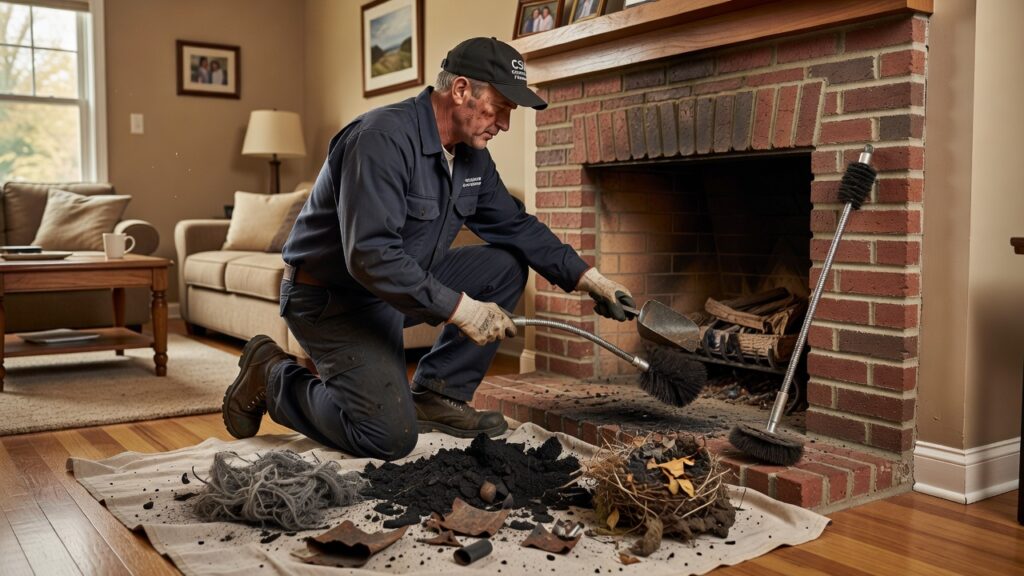
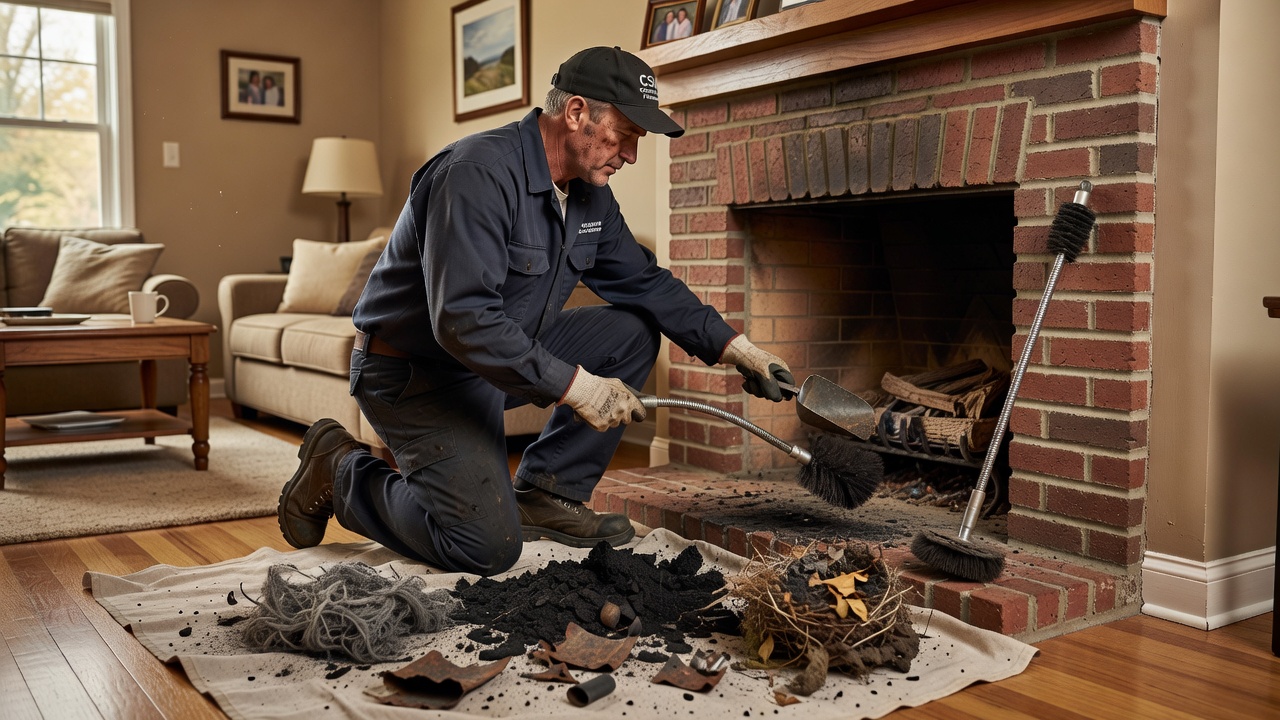
A professional chimney inspection is about much more than cleaning soot from the flue. A CSIA-certified chimney sweep evaluates the entire chimney system to identify hidden safety hazards before they become serious problems.
Here’s what we commonly find during chimney inspections throughout Somerdale and surrounding Camden County communities and why those findings matter.
Why CSIA Certification Makes a Difference
Not every chimney sweep has the same training or qualifications.
The Chimney Safety Institute of America (CSIA) is one of the most respected organizations in the chimney industry. CSIA-certified professionals receive specialized education in chimney construction, combustion systems, venting, fire safety, and current industry standards.
According to NFPA 211, chimneys, fireplaces, and venting systems should be inspected at least once each year, regardless of how frequently they’re used.
That recommendation is especially important throughout Somerdale, Barrington, Haddon Heights, Stratford, and other Camden County communities, where many homes were built decades ago using older masonry construction and clay tile chimney liners.
Older chimneys often develop different problems than newer systems, making a knowledgeable inspection especially valuable.
Problem #1: Advanced Creosote Buildup
One of the most common issues we find is excessive creosote accumulation.
Warning signs may include:
- A strong smoky or tar-like odor
- Dark, shiny deposits near the damper
- Reduced fireplace draft
- Heavy soot buildup
Creosote develops in three stages.
Stage 1 is a dry, powdery residue that can usually be removed during a routine chimney cleaning.
Stage 2 becomes thicker and tar-like, requiring more aggressive cleaning methods.
Stage 3 forms a hard, glazed coating that is highly combustible and significantly increases the risk of a chimney fire.
A CSIA-certified technician uses specialized tools and inspection cameras to determine which stage is present before recommending the safest cleaning method. Depending on the condition, treatment may involve rotary cleaning equipment, chemical products, or more advanced chimney repairs.
Problem #2: Cracked Chimney Liners
The chimney liner is responsible for safely directing heat, smoke, and combustion gases out of the home. Unfortunately, liner damage often cannot be seen without specialized camera equipment.
Possible warning signs include:
- Smoke odors in nearby rooms
- Pieces of clay tile inside the fireplace
- Poor draft
- Carbon monoxide concerns
Freeze-thaw cycles throughout South Jersey place significant stress on older clay tile liners, making cracks more common as chimneys age.
Depending on the extent of the damage, repairs may include:
- HeatShield® resurfacing systems
- Stainless steel chimney liner installation
- Complete chimney relining
Identifying liner damage early often prevents much larger repairs later.
Problem #3: Damaged Chimney Crowns and Caps
Water is one of the greatest threats to any chimney system.
During inspections, technicians frequently discover:
- Cracked chimney crowns
- Missing chimney caps
- Rusted chimney caps
- Water penetration
- Efflorescence (white staining)
- Rusted dampers
Even small cracks allow moisture to enter the masonry. Over time, repeated freezing and thawing expands these cracks, accelerating brick and mortar deterioration.
Depending on the condition, recommended repairs may include:
- Crown sealing
- Crown resurfacing
- Crown rebuilding
- Chimney cap replacement
Preventive maintenance can significantly extend the life of the chimney.
Problem #4: Misaligned or Damaged Flue Tiles
Another issue commonly identified during camera inspections is flue tile displacement. Shifting masonry, settling foundations, or aging mortar can cause clay flue sections to become misaligned.
Homeowners may notice:
- Smoke entering the home
- Poor fireplace performance
- Debris inside the firebox
- Persistent drafting issues
Repair recommendations depend on whether the flue tiles have shifted, cracked, or completely separated. Some situations can be corrected by installing a stainless-steel liner, while others require more extensive masonry repairs.
Problem #5: Draft Problems Caused by Negative Air Pressure
Not every chimney problem originates inside the chimney.
Many modern renovations create tightly sealed homes that interfere with natural chimney draft.
Common symptoms include:
- Smoke entering the room
- Difficulty starting fires
- Carbon monoxide detector activation
- Fires that burn poorly
During an inspection, a CSIA-certified technician evaluates the entire venting system, including:
- Chimney height
- Airflow
- Fireplace design
- Exhaust fans
- Overall home air pressure
Proper diagnosis helps avoid unnecessary chimney repairs when the underlying issue is actually ventilation.
Problem #6: Firebox Mortar Deterioration
The firebox experiences extremely high temperatures every time the fireplace is used.
Over time, standard mortar can crack, crumble, or separate from the firebrick.
Technicians often find:
- Loose firebricks
- Missing mortar joints
- White powdery residue
- Heat damage
Proper repairs require specialized refractory mortar designed specifically for high-temperature fireplace applications. Using standard masonry mortar inside the firebox can create serious fire hazards.
What Happens During a Professional Chimney Inspection?
A typical Level 1 chimney inspection includes:
- Visual inspection of the chimney system
- Chimney sweeping (when scheduled)
- Firebox evaluation
- Chimney cap inspection
- Crown inspection
- Damper evaluation
- Basic draft assessment
- Written inspection report
A Level 2 inspection includes everything above plus a professional camera inspection of the entire chimney liner.
Level 2 inspections are recommended when:
- Purchasing or selling a home
- Changing heating appliances
- After a chimney fire
- Following severe weather or structural damage
- Hidden chimney damage is suspected
Most inspections take between 60 and 90 minutes, depending on the size and condition of the chimney.
Why Annual Inspections Save Money
Many expensive chimney repairs begin as small maintenance issues that go unnoticed.
Annual inspections can identify:
- Early water damage
- Minor masonry deterioration
- Developing liner cracks
- Creosote accumulation
- Draft problems
Addressing these issues early often prevents costly structural repairs while improving fireplace safety.
Schedule a CSIA-Certified Chimney Inspection in Somerdale
Your chimney is one of the hardest-working systems in your home, yet it’s often one of the most overlooked.
Routine inspections help identify hidden problems before they become expensive repairs or serious safety hazards.
Barrington Chimney proudly serves homeowners throughout Somerdale, Barrington, Haddon Heights, Lawnside, Stratford, and surrounding Camden County communities.
Our CSIA-certified technicians perform thorough chimney inspections following NFPA 211 standards and provide detailed written reports with honest recommendations based on your chimney’s actual condition.
Contact Barrington Chimney today to schedule your free chimney inspection consultation and make sure your fireplace is clean, safe, and ready for the next heating season.