
Hiring a Chimney Sweep in Camden County, NJ: What Homeowners Should Know
A qualified chimney sweep can remove combustible deposits, check accessible parts of the chimney for damage, and explain which maintenance or repairs may be needed. The Chimney Safety Institute of America (CSIA) recommends annual chimney inspections, with cleaning performed when necessary. For homeowners in Camden County, New Jersey, hiring the right professional means checking credentials, understanding what the service includes, and knowing how to recognize questionable sales tactics. Whether you live in Barrington, Runnemede, Collingswood, or another nearby community, these steps can help you make an informed decision.
What Homeowners Can Safely Check Themselves
Homeowners can perform a few basic visual checks without climbing onto the roof or attempting to clean the flue. From the ground, look for obvious exterior damage, missing chimney caps, loose masonry, or white staining on the brickwork. White deposits, known as efflorescence, can indicate moisture movement through masonry, although they do not establish the cause or severity of the problem.
Inside, allow the fireplace to cool completely before checking the firebox for visible debris or obvious damage. You can also check whether the damper appears to move normally, following the fireplace manufacturer’s instructions. Do not reach into areas you cannot see clearly or try to remove obstructions from inside the chimney.
Actual flue cleaning is different from ordinary fireplace housekeeping. Creosote is a combustible deposit produced by burning wood, and its condition can vary from loose residue to hard, glazed material. Some deposits require specialized professional cleaning methods. The CSIA advises that chemical cleaning products alone do not replace mechanical cleaning and inspection.
A homeowner cannot reliably establish that the full flue is clean or structurally sound just by looking through the firebox. Avoid roof access, improvised cleaning tools, and attempts to remove animal nests or other obstructions yourself.
Credentials Worth Checking Before Hiring
One credential to look for is the CSIA Certified Chimney Sweep designation. CSIA certification indicates that a professional has met the organization’s certification requirements. You can use the CSIA website to learn about certification and locate qualified professionals.
The National Fireplace Institute (NFI) also offers credentials for professionals working with specific hearth appliances and fuel types. If your project involves a fireplace insert or another heating appliance, ask whether the technician has training relevant to that system.
In New Jersey, residential repair work may also be subject to home improvement contractor registration or licensing requirements, depending on the work and applicable law. Do not assume that a chimney-related business is exempt simply because it specializes in sweeping. Ask for the company’s current registration or license details, as applicable, and verify them through the New Jersey Division of Consumer Affairs or its relevant contractor verification service.
You should also ask for proof of liability insurance and workers’ compensation coverage where applicable. Confirm which business will perform the work and who is responsible for any subcontracted services.
Questions to Ask Before Booking
A reputable chimney professional should be willing to explain the service and answer reasonable questions before you schedule.
Are your technicians CSIA-certified? Ask about the credentials held by the person who will inspect or clean your chimney. If certification is advertised, verify the technician’s current status.
What does the appointment include? Ask whether the service covers cleaning, inspection, or both. Find out whether the company provides a written report, photographs, or a summary of its findings.
What inspection level will you receive? A Level 1 inspection generally covers readily accessible portions of the chimney and connected appliance. A Level 2 inspection is more detailed and includes an internal video scan or similar examination of the flue. It may be appropriate after a property transfer, a change in the system, a chimney fire, or suspected damage. A Level 3 inspection may involve removing components to examine concealed areas when the problem cannot be adequately assessed through less invasive methods.
Do you carry appropriate insurance? Ask for proof of coverage rather than relying only on a verbal assurance.
Will you provide a written estimate before repairs? If the technician discovers a problem during a routine appointment, ask for the findings, recommended work, and price before authorizing additional services.
Do you have local references? References from homeowners in Camden County can help you understand the company’s communication, workmanship, and follow-through. Ask for examples of similar jobs rather than assuming that local experience guarantees quality.
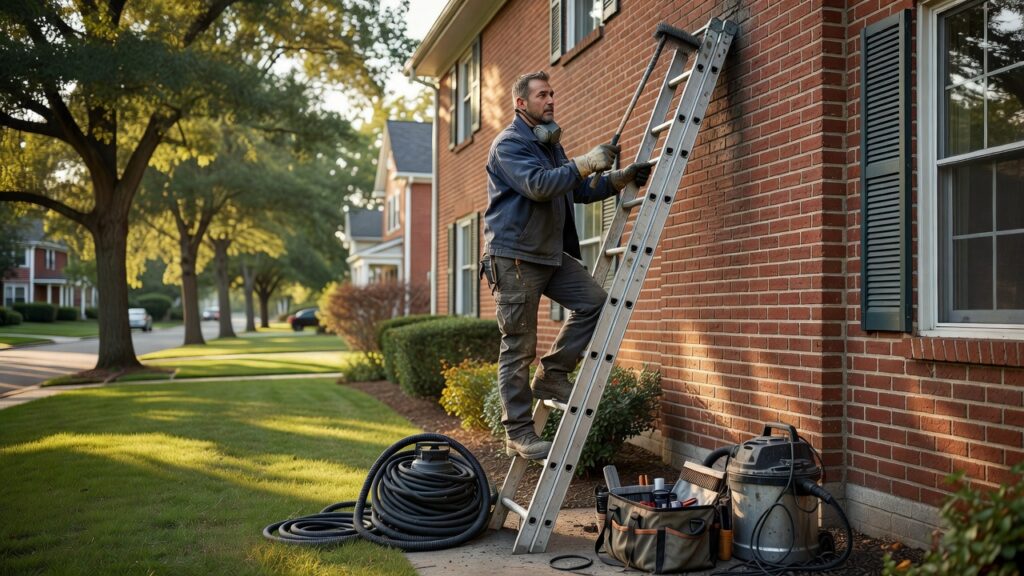
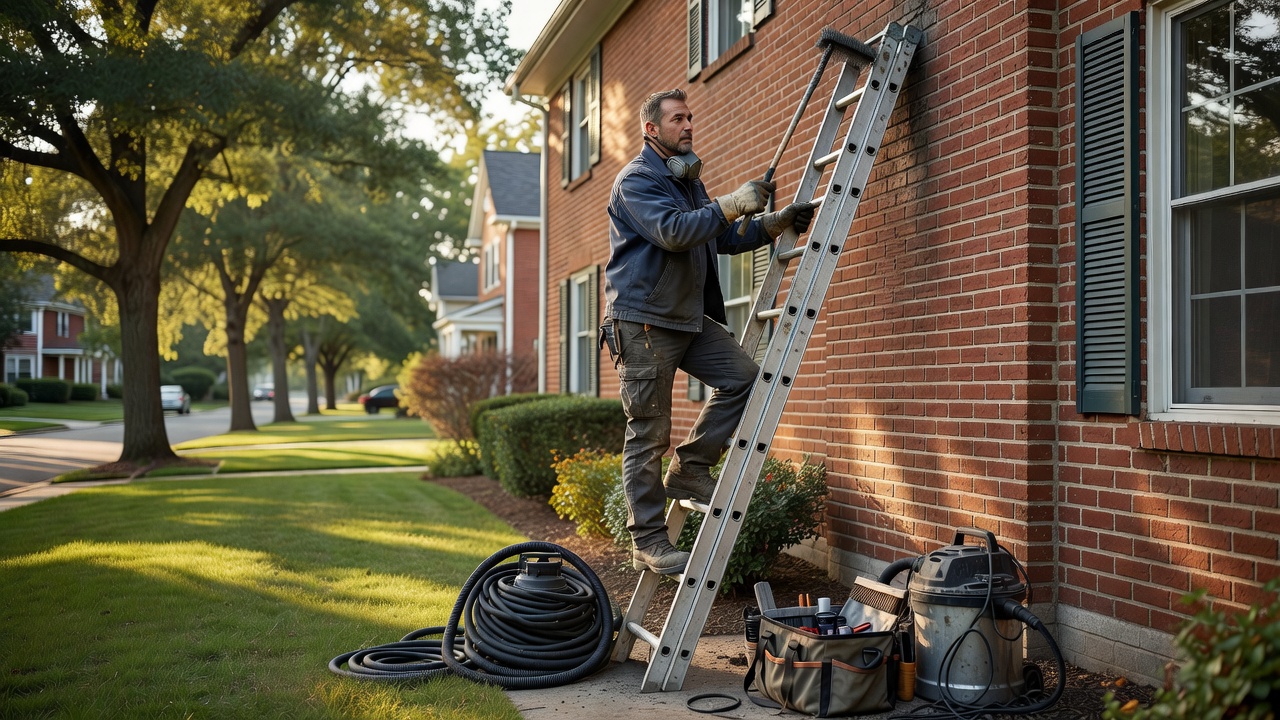
How do you protect the home during cleaning? Ask about drop cloths, dust containment, suitable vacuum equipment, and cleanup procedures. A professional should be able to explain how the work area will be protected.
Red Flags That Signal a Problem
Be cautious if a technician recommends expensive repairs immediately after arriving but cannot explain the problem or provide supporting evidence. The recommendation may be legitimate, but you should ask for a written report and photographs where appropriate. For substantial work, consider getting a second opinion before committing.
An unusually low advertised price also deserves scrutiny if the company will not explain what is included. Ask whether the price covers one flue, cleaning, inspection, and cleanup, or whether additional charges may apply.
Watch for vague credentials, refusal to provide insurance information, pressure to approve repairs immediately, or reluctance to put the scope and price in writing. A contractor who requests payment without providing clear documentation or a written agreement warrants caution.
A second opinion is especially reasonable when a routine cleaning turns into a major repair proposal. The aim is not to assume every recommendation is dishonest. It is to make sure the work addresses a documented problem and that you understand the reason for the expense.
Comparing Chimney Sweep Quotes
Chimney cleaning and inspection prices vary depending on the number of flues, chimney configuration, accessibility, amount of buildup, and services included. A higher quote may reflect a broader scope of work, while a lower quote may exclude services offered by another company.
When comparing estimates, ask each provider to specify:
-
The number of flues included.
-
Whether cleaning and inspection are both covered.
-
The inspection level and any video scanning included.
-
Whether a written report or photographs will be provided.
-
What cleanup and dust-control measures are included.
-
How additional work will be priced if a problem is discovered.
Make sure the estimates cover comparable services before judging them by price alone. If repairs are recommended, request a separate written scope of work that identifies the problem, proposed solution, materials, labor, and any applicable permits or inspections.
You can verify CSIA certification through the CSIA website and check applicable contractor registration or licensing through New Jersey’s official consumer affairs resources.
What to Expect During a Professional Chimney Service Visit
A routine appointment typically begins with a discussion of the fireplace’s use, any known problems, and the last inspection or cleaning. The technician then assesses the chimney and determines whether cleaning is needed. If cleaning is appropriate, the professional selects a method suitable for the deposits and system.
The time required depends on the chimney’s condition, access, configuration, and the services requested. A simple appointment may take less time than one involving heavy deposits, multiple flues, or additional inspection work. Ask the company for an estimated duration when booking.
If the technician identifies damage, ask for an explanation and supporting documentation before approving repairs. Some issues can be addressed through routine maintenance, while liner damage, deteriorated masonry, or other structural concerns may require a separate assessment.
The written findings should help you understand what was inspected, what was discovered, and what the professional recommends next. If the chimney is considered unsafe for use, follow the technician’s safety instructions until the issue has been addressed.
Schedule Chimney Service in Camden County, NJ
Regular inspection helps homeowners understand the condition of their chimney and identify maintenance needs before the next heating season. If it has been more than a year since your last inspection, or if you have noticed unusual smoke, visible damage, or signs of an obstruction, contact a qualified professional.
Barrington Chimney is named as a provider serving Barrington, Runnemede, and surrounding Camden County communities. Before publishing a service offer, verify the company’s current service area, credentials, and whether it actually provides free inspections. Ask what the appointment includes and whether you will receive written findings before agreeing to additional work.
A careful hiring process can help you compare providers, avoid unexpected charges, and make decisions based on documented findings rather than pressure. The best choice is a professional who explains the work clearly, provides appropriate documentation, and recommends services that match your chimney’s actual condition.
Related from Barrington Chimney: Chimney Sweep in Barrington Safe Fires Start with a Clean Flue · Chimney Sweep in Barrington — Safety-First Service from a Crew That Kn · Chimney Sweep in Barrington
Areas we serve
Barrington, NJ · Barrington, NJ · Barrington, NJ · Barrington, NJ · Barrington, NJ