
Creosote Removal Barrington NJ: What Runnemede Homeowners Should Know
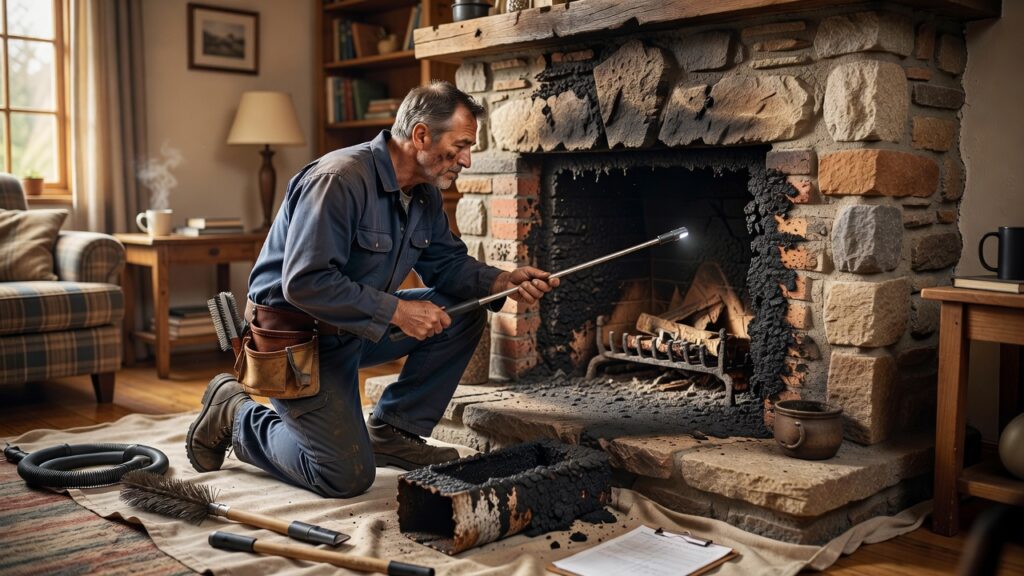
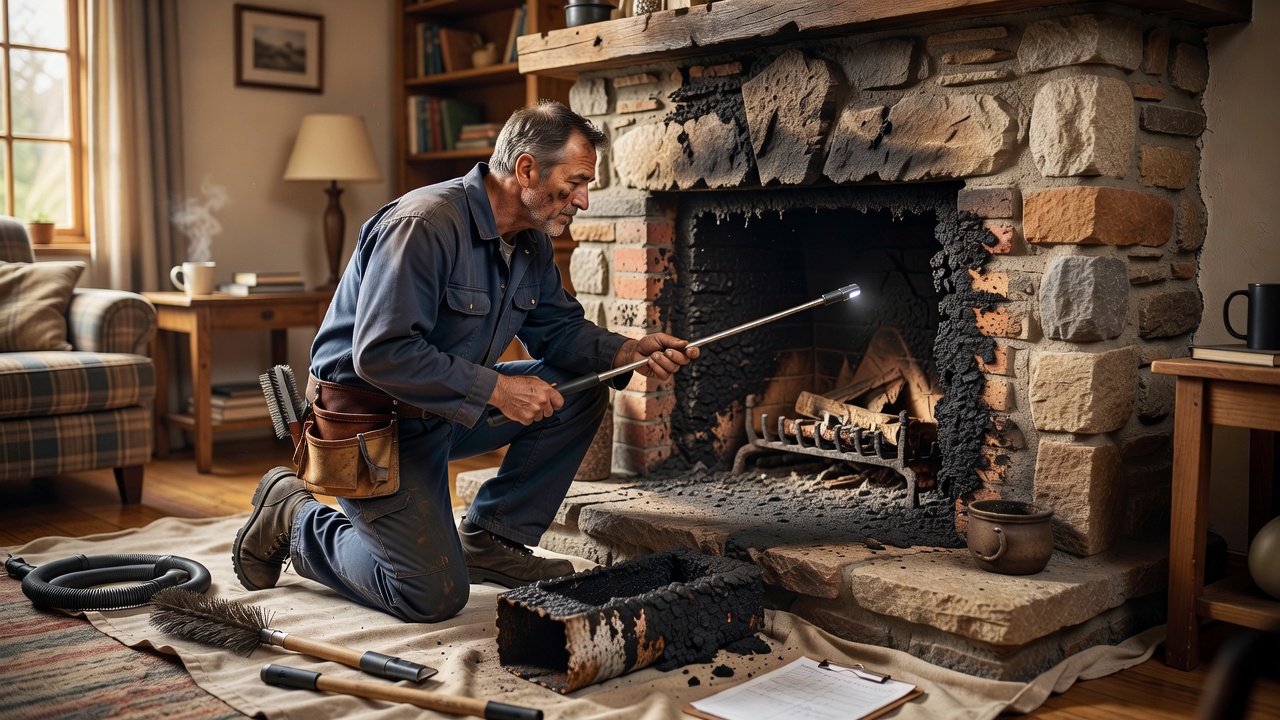
Most Runnemede homeowners do not think about creosote until something seems wrong. You may notice smoke entering the room, an unusual fireplace odor, or dark deposits inside the firebox. By that point, creosote may already have accumulated inside the chimney. Creosote forms when combustion byproducts from burning wood condense on cooler chimney surfaces. It is combustible, so significant buildup should not be ignored.
Creosote removal in Barrington, NJ, and the surrounding Runnemede area is therefore an important part of maintaining a wood-burning fireplace or appliance. The appropriate cleaning method depends on the type and amount of deposit, the chimney’s condition, and the accessibility of the flue. Here are some of the problems a professional may find and what homeowners should know about addressing them.
Heavy or Glazed Creosote That Will Not Brush Off
Symptoms: You schedule a routine chimney cleaning, but the technician finds deposits that are difficult to remove with ordinary brushing. The material may appear dark, shiny, sticky, or hardened.
Cause: Creosote can develop when wood smoke cools and condenses inside the chimney. Restricted airflow, unseasoned wood, and prolonged smoldering can contribute to increased creosote formation.
Not every deposit has the same consistency. Some soot can be removed with standard mechanical sweeping, while hardened or glazed deposits may require additional mechanical methods or products specifically intended for creosote removal.
Professional fix: The technician should evaluate the deposit before choosing the cleaning method. More difficult deposits may require rotary mechanical equipment or other specialized cleaning techniques. Chemical products may be used in some situations, but they do not replace appropriate mechanical cleaning.
Can it be prevented? Reduce the conditions that encourage buildup. EPA guidance recommends burning dry, seasoned wood with a moisture content of 20 percent or less and avoiding prolonged smoldering fires.
Chimney Liner Damage Hidden by Deposits
Symptoms: An inspection or cleaning reveals cracked clay tiles, damaged mortar joints, deterioration, or other problems inside the flue.
Cause: A chimney fire can expose a liner to extremely high temperatures. CSIA explains that chimney fires can reach around 2,000°F and may melt mortar, crack tiles, damage liners, or affect surrounding masonry.
Heavy deposits can also make it more difficult to evaluate the underlying condition of the flue.
Professional fix: The appropriate inspection level depends on the circumstances. A Level 2 inspection includes a more extensive examination and video scanning of the flue when required by the applicable inspection criteria. It may be appropriate when there are indications of a malfunction, suspected damage, or changes that require a more detailed evaluation.
Repair options depend on what the inspection finds. They can include localized masonry or flue repairs, liner repair, or relining when appropriate. A professional should identify the actual problem before recommending a specific repair.
Can it be prevented? Regular inspection and maintenance can help identify deterioration before it becomes a larger problem. CSIA recommends regular chimney inspection, with cleaning performed when the amount or type of buildup warrants it.
Draft Problems That Can Contribute to Creosote Buildup
Symptoms: A fire may be difficult to start, smoke may enter the room, or the chimney may accumulate more deposits than expected.
Cause: Creosote formation can increase when smoke remains in the chimney longer. EPA and CSIA both identify restricted airflow, insufficient air supply, and smoldering fires as conditions that can contribute to creosote formation.
Draft problems can have different causes. The damper, chimney configuration, appliance, combustion-air conditions, and other factors may all need to be evaluated.
Professional fix: A chimney professional can inspect the appliance connection, damper, flue, and other accessible components to determine whether there is an airflow problem. The appropriate repair depends on the cause.
Do not assume that replacing the damper or adding a combustion-air system is necessary without first identifying the underlying problem.
Can it be prevented? If a home has been substantially air-sealed or renovated, homeowners should pay attention to changes in fireplace performance. Persistent smoke entering the living space is a reason to stop using the appliance and have it evaluated. EPA specifically advises homeowners to seek professional help when smoke continues to be a problem.
Creosote Odor Coming From the Fireplace
Symptoms: Some homeowners notice a strong smoky or creosote-like odor from the fireplace, particularly when the fireplace is not being used.
Cause: Odors can have several possible sources. Residue inside the chimney, airflow conditions, moisture, and the condition of masonry or other chimney components can all affect what homeowners smell.
An odor by itself does not prove that the chimney has a particular type of creosote deposit or that the chimney needs a new liner.
Professional fix: The chimney should be evaluated to determine where the odor is coming from. Cleaning may resolve odor associated with accumulated deposits. If the odor persists, the professional should investigate other possible sources before recommending additional work.
A top-sealing damper may help reduce airflow through an unused chimney in some installations, but it is not a universal solution for every odor problem.
Can it be prevented? Regular inspection, appropriate cleaning, proper fireplace operation, and dry seasoned firewood can help reduce the conditions associated with excessive creosote buildup.
Cleaning That Does Not Address the Entire Chimney System
Symptoms: A homeowner had a chimney cleaned previously but later discovers substantial deposits or other problems.
Cause: Chimney cleaning and inspection are related but are not exactly the same task. The scope of an inspection depends on the chimney and the circumstances. A routine inspection may involve readily accessible portions of the system, while a Level 2 inspection provides a more extensive evaluation when warranted.
A homeowner should not assume that a camera inspection is required during every routine cleaning. Likewise, the absence of a camera does not automatically mean a previous cleaning was inadequate.
Professional fix: Ask the chimney company what inspection level is being performed, what areas will be evaluated, what type of cleaning is included, and what the technician found.
You can also ask about professional credentials and experience with the type of chimney or appliance in your home.
Can it be prevented? Before booking, ask for a clear explanation of the service. A reputable professional should be able to explain what will be inspected, what cleaning method is appropriate, and whether additional work is recommended.
How to Reduce Creosote Buildup
Homeowners can take several steps to reduce conditions that contribute to creosote:
-
Burn dry, seasoned firewood.
-
Use a moisture meter when appropriate and aim for wood at 20 percent moisture or less.
-
Avoid prolonged smoldering fires.
-
Maintain adequate airflow during normal operation.
-
Follow the appliance manufacturer’s operating instructions.
-
Have the chimney and wood-burning appliance inspected regularly.
-
Clean the chimney when buildup warrants it.
There is no single cleaning interval that applies to every chimney. Usage, appliance type, fuel, burning practices, and the condition of the chimney can all affect how quickly deposits accumulate.
When to Schedule Creosote Removal in Barrington or Runnemede
Creosote is combustible, so homeowners should not ignore significant buildup. CSIA recommends masonry fireplaces be swept when sooty buildup reaches approximately 1/8 inch, or sooner if glaze is present. Factory-built fireplaces have different cleaning considerations and should be evaluated according to their specific requirements.
If you notice smoke entering the home, unusual fireplace odors, visible deposits, difficulty operating the appliance, or signs of chimney deterioration, stop using the appliance if appropriate and arrange for a professional evaluation.
For homeowners in Runnemede, Barrington, Lawnside, Haddon Township, and nearby Camden County communities, the right service should begin with an evaluation rather than an automatic recommendation for a particular repair. A qualified chimney professional can determine whether the system needs routine sweeping, more extensive creosote removal, additional inspection, or repair.
Related from Barrington Chimney: Chimney Sweep in Barrington Safe Fires Start with a Clean Flue · Chimney Sweep in Barrington — Safety-First Service from a Crew That Kn · Chimney Sweep in Barrington
Our services
Chimney Sweep in Barrington Safe Fires Start with a Clean… · Chimney Sweep in Barrington · Chimney Sweep in Barrington · Chimney Sweep in Barrington, NJ · Chimney Sweep in Barrington · Chimney Sweep in Barrington, NJ
Areas we serve
Barrington, NJ · Barrington, NJ · Barrington, NJ · Barrington, NJ · Barrington, NJ