
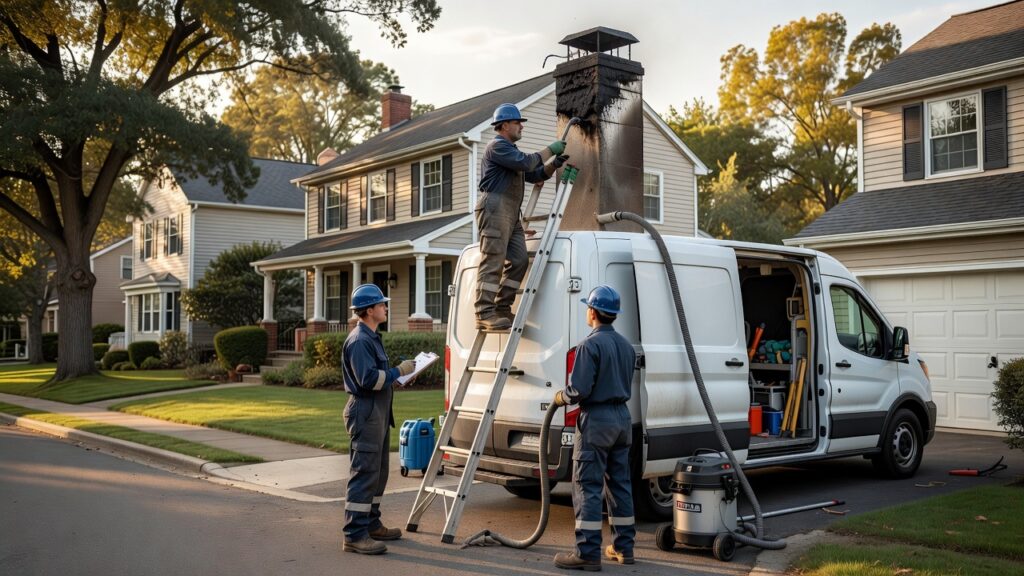
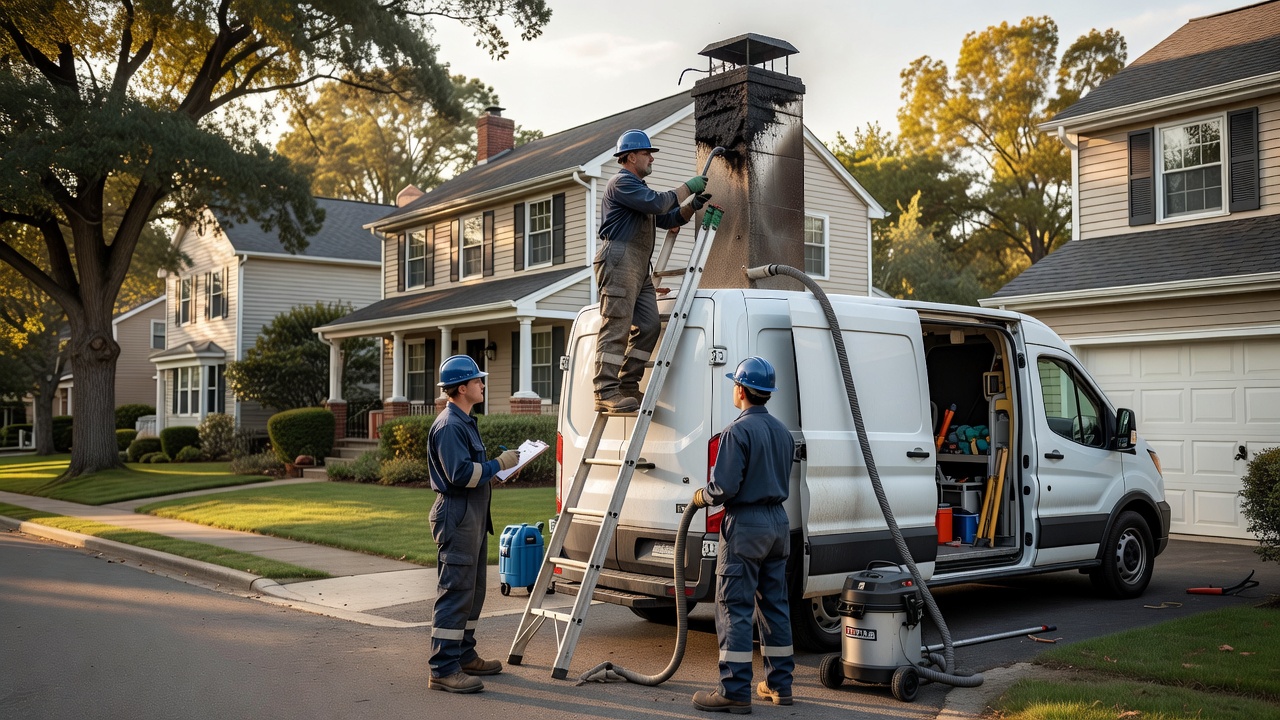
Creosote Removal in Barrington, NJ: Costs and Who Should Do the Work
Creosote buildup is an important concern for homeowners who use a wood-burning fireplace or stove. A sharp, tar-like odor, dark deposits inside the firebox, or flakes of black material may indicate that soot and creosote have accumulated in the chimney. The amount and condition of those deposits can affect the cleaning method required and whether additional repairs are needed.
For homeowners in Barrington, Stratford, Runnemede, and nearby communities, understanding the difference between routine maintenance and specialized creosote removal can help with planning chimney service. The right approach depends on the type of fireplace, the condition of the flue, the amount of buildup, and the accessibility of the chimney. Here is what homeowners should know about creosote, safe maintenance, and the factors that influence removal costs.
What Is Creosote and Why Does It Build Up?
Creosote is a combustible deposit produced when wood burns. Smoke carries particles and combustion byproducts through the chimney. When these gases cool, some materials condense on the flue walls and form deposits.
Creosote buildup can occur more quickly when wood is wet, the fire smolders, or the chimney does not operate under suitable conditions. Over time, deposits may become harder and more difficult to remove.
Chimney professionals sometimes describe deposits by their consistency, such as loose soot, crunchy or flaky creosote, and hard or glazed deposits. These descriptions help determine the appropriate removal method, but homeowners should not try to diagnose the condition or severity of the deposits based on appearance alone.
Creosote is combustible, and accumulated deposits can contribute to chimney fires. The Chimney Safety Institute of America recommends annual chimney inspections, with cleaning, maintenance, and repairs completed when necessary. For masonry fireplaces, CSIA recommends sweeping when soot buildup reaches approximately one-eighth of an inch, or sooner when creosote glaze is present.
What Homeowners Can Safely Do Themselves
Homeowners can help maintain a fireplace between professional visits, but routine maintenance is not a substitute for inspecting and cleaning the chimney when needed.
Remove Ash and Check Accessible Fireplace Components
Once the fireplace and ashes are completely cool, remove excess ash as appropriate for the appliance. Keep the hearth clear and check accessible areas for obvious damage. You can also confirm that the damper operates properly when the fireplace is not in use.
Do not reach into the flue or attempt to remove deposits from areas that cannot be safely accessed. If you notice damaged components, loose masonry, or an obstruction, arrange a professional assessment.
Burn Properly Seasoned Firewood
Dry, properly seasoned firewood can help reduce smoke and support cleaner combustion. A moisture meter can help you check the wood before burning it. A commonly recommended target is moisture content below 20 percent, measured on a freshly split surface.
Avoid burning wet or unseasoned wood, treated lumber, or household waste. Follow the fireplace or stove manufacturer’s instructions for the correct fuel and operating practices.
Treat Chimney Cleaning Logs as a Supplement Only
Some products are designed to change the consistency of creosote deposits, potentially making them easier for a professional to remove. However, these products cannot tell you whether the chimney is blocked, whether the liner is damaged, or whether the system is safe to use.
Do not rely on a cleaning log to replace an inspection or necessary mechanical cleaning. Follow product instructions and ask a qualified chimney professional whether a particular product is appropriate for your system.
Keep Records of Inspections and Repairs
Save inspection reports, cleaning receipts, photographs, and repair estimates. These records can help you understand how the chimney’s condition changes over time and identify outstanding maintenance needs.
Documentation may also be useful when discussing chimney history with an insurer, but it does not guarantee coverage or determine the outcome of an insurance claim.
When Professional Creosote Removal Is Necessary
Professional service is particularly important when deposits are heavy, hard, glazed, or difficult to remove using ordinary sweeping methods. A qualified chimney professional can inspect the system, assess the deposits, and select a suitable cleaning approach.
Routine Sweeping for Ordinary Deposits
A chimney brush and appropriate vacuum equipment may be suitable for removing loose soot and ordinary creosote. The technician should also assess accessible chimney components for obstructions, deterioration, and other conditions that could affect safe operation.
The amount of time required depends on the chimney’s design, accessibility, condition, and the work involved. It is best to obtain an estimate based on the actual system rather than assume every chimney can be cleaned within a set timeframe.
Specialized Removal for Hard or Glazed Creosote
Hard, crusty, or glazed deposits may require specialized mechanical tools or professional chemical treatments before the material can be removed effectively. These methods require appropriate equipment and experience because improper techniques can damage chimney components.
Chemical treatments do not automatically eliminate the need for mechanical removal. The professional should explain the proposed method, its limitations, and any follow-up work required.
Additional Repairs When Damage Is Found
Creosote removal may uncover other problems, including cracked flue tiles, deteriorated mortar, damaged chimney caps, or signs of previous overheating. Cleaning alone will not correct structural or liner damage.
If the chimney has experienced a suspected chimney fire, stop using it and arrange a professional evaluation before lighting another fire. Repairs may range from replacing damaged components to more extensive liner or masonry work, depending on the findings.
What Affects Creosote Removal Costs in Barrington, NJ?
There is no single price that applies to every chimney. The cost depends on the work needed, the condition of the system, and whether repairs or specialized cleaning are necessary.
1. The Type and Amount of Creosote
Loose deposits may be easier to remove than hard or glazed buildup. More difficult deposits can require additional equipment, treatment, and labor. A professional inspection helps establish the appropriate scope of work.
2. Chimney Height and Accessibility
The chimney’s height, roof pitch, access points, and configuration can affect the time and equipment needed to complete the job. A difficult-to-access chimney may require additional precautions and labor.
3. Chimney Design and Condition
Masonry chimneys and factory-built fireplace systems have different components and service requirements. The cleaning approach must be compatible with the particular system and its manufacturer’s instructions.
A damaged liner, deteriorating mortar, missing cap, or other defect may also require separate repairs. Those costs should be distinguished from the price of cleaning.
4. Inspection and Cleaning Fees
Some service providers quote inspection and cleaning separately, while others offer a combined service. Ask what the initial appointment includes, whether specialized removal is priced separately, and whether repairs require a separate estimate.
Before approving additional work, request an explanation of the findings and an itemized quote. This makes it easier to compare proposals and understand which work is necessary now.
How to Choose a Chimney Professional
Choosing a qualified provider is important when creosote removal involves specialized equipment or possible damage to the flue.
Before scheduling, consider these questions:
-
What inspection is included? Ask which areas of the chimney will be assessed and whether additional inspection is recommended.
-
What removal method will be used? The provider should explain why the proposed method suits the deposits and chimney system.
-
Are repairs included in the estimate? Confirm whether the quote covers cleaning only or includes any additional work.
-
Can the findings be documented? Ask for photographs when available, a written summary, and an explanation of recommended repairs.
-
Can credentials be verified? If the company advertises CSIA certification, verify the relevant credential through the organization’s official directory.
Be cautious of anyone who recommends expensive repairs without explaining the findings or who claims that a chemical product alone makes the chimney safe.
Schedule Creosote Removal in Barrington, NJ
Creosote buildup should not be ignored, particularly when deposits are hard, glazed, or accompanied by unusual fireplace odors or signs of damage. Regular inspections and appropriate cleaning can help identify problems before they become more extensive.
Barrington Chimney serves Barrington, Stratford, Runnemede, and the surrounding Camden County area. Contact the company to ask about chimney inspections, creosote removal, and related repair services. Before booking, confirm the inspection fee, what the appointment includes, and whether specialized cleaning or repairs will be quoted separately.
A professional assessment can help you understand your chimney’s condition, determine the work it needs, and make an informed decision before using your fireplace again.
Related from Barrington Chimney: Chimney Sweep in Barrington Safe Fires Start with a Clean Flue · Chimney Sweep in Barrington — Safety-First Service from a Crew That Kn · Chimney Sweep in Barrington
Our services
Chimney Sweep in Runnemede · Chimney Sweep in Lawnside · Chimney Sweep in Barrington · Chimney Sweep in Barrington · Chimney Sweep in Barrington Safe Fires Start with a Clean… · Chimney Sweep in Barrington
Areas we serve
Barrington, NJ · Barrington, NJ · Barrington, NJ · Barrington, NJ · Barrington, NJ