
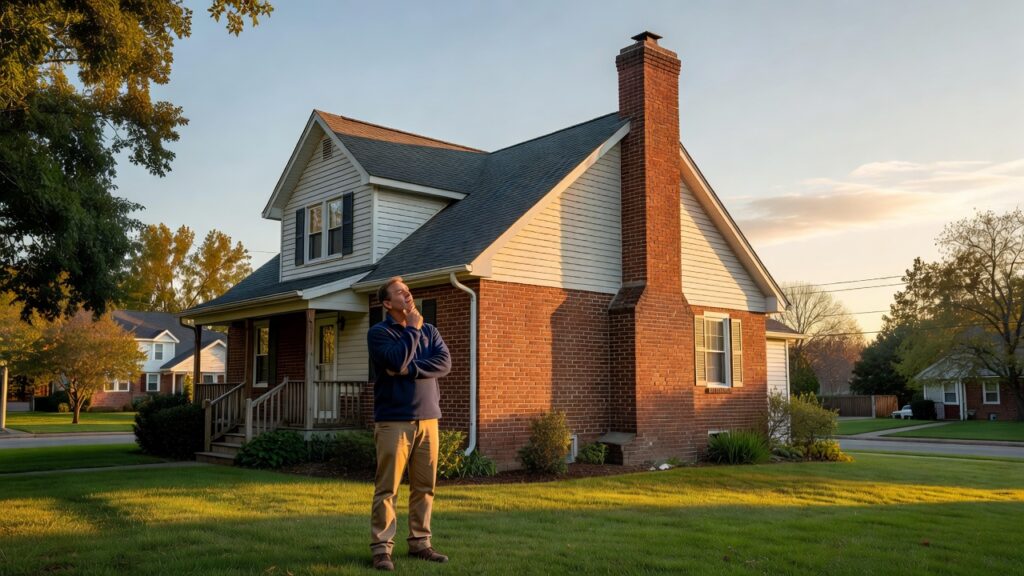
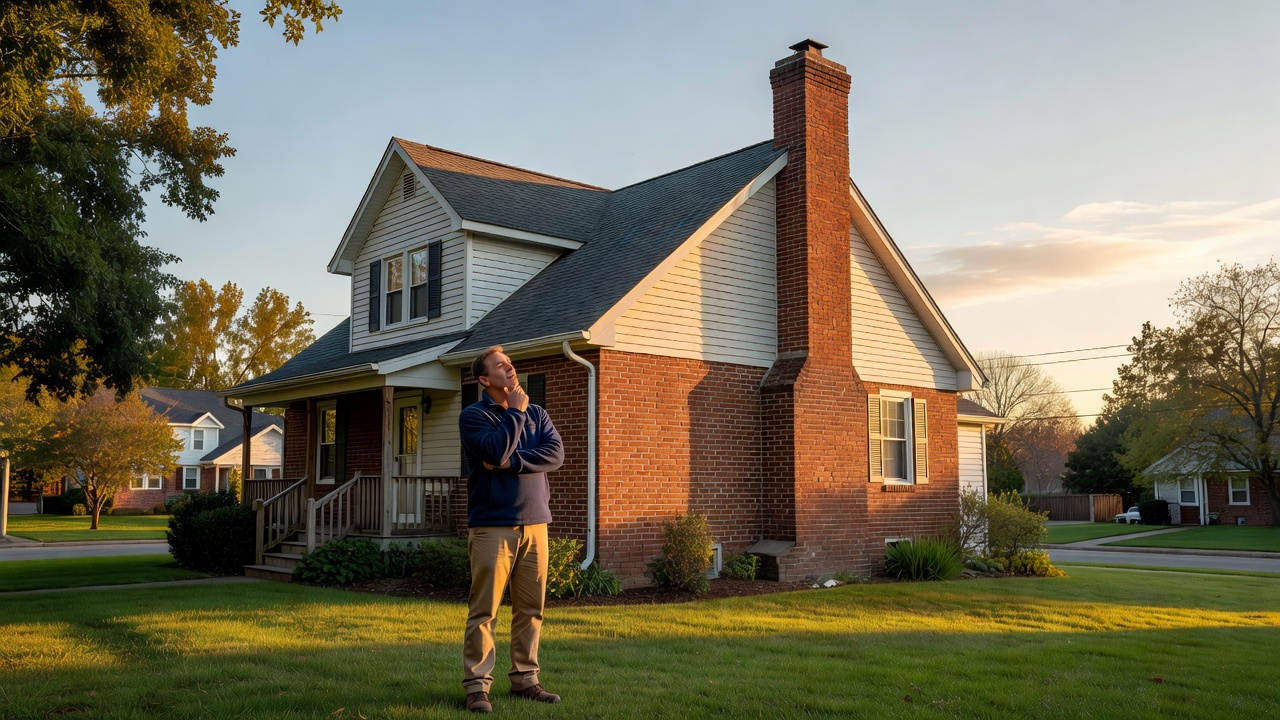
What Runnemede Homeowners Get Wrong About Chimney Inspections and Why the Timing Costs Them
Many homeowners assume that if their fireplace worked well last winter, it’s ready for another heating season. The firebox looks clean, there’s no smoke entering the room, and nothing appears damaged from the outside.
Unfortunately, chimney problems often develop where they can’t be seen.
A damaged flue liner, deteriorating smoke chamber, hidden water damage, or even an animal nest inside the chimney may not produce obvious symptoms until they become serious safety hazards.
For homeowners in Runnemede and throughout Camden County, understanding what a chimney inspection actually includes and scheduling it at the right time of year can prevent costly repairs while helping keep your home safe.
A Clean Fireplace Doesn’t Mean a Safe Chimney
One of the biggest misconceptions homeowners have is believing that a chimney that looks clean is automatically safe to use.
In reality, many chimney problems develop inside the flue or behind the masonry where they cannot be seen without specialized equipment.
Professional chimney inspections often uncover issues such as:
- Cracked chimney liners
- Creosote buildup
- Water damage
- Smoke chamber deterioration
- Blocked chimney caps
- Animal nests
- Damaged flashing
These problems may exist even when the fireplace appears to operate normally.
Chimney Cleaning and Chimney Inspections Are Different Services
Many homeowners believe that having their chimney cleaned means it has also been inspected.
These are actually two separate services. A chimney cleaning removes soot, creosote, and debris from the flue.
A chimney inspection evaluates the condition of the entire chimney system, including:
- Firebox
- Chimney liner
- Smoke chamber
- Damper
- Chimney crown
- Chimney cap
- Flashing
- Exterior masonry
According to NFPA 211, chimneys should be inspected annually, regardless of how frequently they’re used.
Cleaning and inspection work together, but neither replaces the other.
Why Spring and Summer Are the Best Times to Schedule an Inspection
Many homeowners wait until September or October to schedule chimney service because that’s when they begin thinking about using the fireplace again.
Unfortunately, that’s also when demand for chimney inspections is at its highest.
Throughout Runnemede, Barrington, Stratford, Lawnside, and nearby Camden County communities, reputable chimney companies often become fully booked during the fall.
Scheduling your inspection during spring or summer offers several advantages:
- Greater appointment availability
- More time to complete repairs before winter
- Better scheduling flexibility
- Less pressure to make rushed repair decisions
Warmer weather is also ideal for masonry work such as:
- Chimney crown repairs
- Tuckpointing
- Chimney waterproofing
- Chimney relining
- Flashing repairs
Addressing these issues before cold weather arrives helps ensure repairs cure properly and are completed before fireplace season begins.
New Homes Still Need Chimney Inspections
Some homeowners assume a newly constructed home doesn’t require a chimney inspection. However, new construction isn’t immune to installation errors or manufacturing defects.
Issues occasionally discovered in newer systems include:
- Damaged refractory panels
- Improperly installed dampers
- Flue alignment problems
- Installation defects
A professional inspection before using the fireplace for the first time provides valuable peace of mind and confirms the system was installed correctly.
Good Draft Doesn’t Mean Everything Is Fine
Many homeowners judge their chimney’s condition based on whether smoke exits the chimney properly. While proper draft is certainly important, it doesn’t tell the whole story.
A chimney may draft normally while still having:
- Hidden chimney liner cracks
- Water intrusion
- Advanced creosote buildup
- Masonry deterioration
These conditions often develop gradually and remain unnoticed until a more expensive repair becomes necessary. Annual inspections help identify these hidden problems before they worsen.
Carbon Monoxide Risks Are Often Invisible
One of the most important reasons for routine chimney inspections is protecting your family from carbon monoxide. A damaged chimney liner or venting problem may allow combustion gases to enter the home without producing obvious warning signs.
Carbon monoxide is colorless and odorless. Professional chimney inspections help identify conditions that could interfere with proper venting before they become dangerous.
Understanding the Different Levels of Chimney Inspections
The Chimney Safety Institute of America (CSIA) recognizes three levels of chimney inspection.
Level 1 Inspection
A Level 1 inspection is recommended for chimneys that receive routine annual maintenance with no significant changes. It includes a visual evaluation of all readily accessible components.
Level 2 Inspection
A Level 2 inspection includes everything in a Level 1 inspection plus a video camera examination of the chimney liner.
This level is recommended when:
- Buying or selling a home
- Changing heating appliances
- After a chimney fire
- Following severe weather
- Hidden damage is suspected
Level 3 Inspection
A Level 3 inspection is only performed when significant structural concerns require opening concealed areas of the chimney to fully evaluate the damage. Your chimney professional can recommend the appropriate inspection level based on your situation.
Why Waiting Can Cost More
Minor chimney problems rarely stay minor. A small crack in the chimney liner or crown may seem insignificant during the summer, but repeated exposure to rain, freezing temperatures, and regular fireplace use can quickly make repairs more extensive.
Addressing issues early often means:
- Lower repair costs
- Faster scheduling
- Greater contractor availability
- Fewer interruptions during fireplace season
Routine inspections are one of the most cost-effective ways to protect your chimney investment.
Schedule Your Chimney Inspection Before the Busy Season
The best time to schedule a chimney inspection is before you actually need your fireplace.
Planning ahead gives you time to complete any recommended maintenance while avoiding the busy fall schedule.
Barrington Chimney proudly serves homeowners throughout Runnemede, Barrington, Lawnside, Gloucester Township, Stratford, and surrounding Camden County communities.
Our CSIA-certified technicians perform professional chimney inspections following NFPA 211 standards and provide detailed written reports with honest recommendations based on your chimney’s actual condition.
Contact Barrington Chimney today to schedule your free chimney inspection consultation and enjoy peace of mind knowing your chimney is ready before the first cold night of the season.
Related from Barrington Chimney: Chimney Sweep Services in Barrington, NJ · Chimney Repair in Barrington, NJ