
Fact-Checked
Source Material Verified
What Chimney Cleaning Actually Costs in Barrington, NJ and What Delaying It Will Cost You More
Most homeowners in Barrington and the surrounding Camden County communities think about chimney cleaning costs only when they’re ready to light the fireplace for the first time in months. While that’s understandable, waiting until the last minute often means longer scheduling delays, higher demand, and the possibility of discovering expensive problems just as cold weather arrives.
In this guide, we’ll explain what chimney cleaning actually includes, what can increase the overall cost, the most common issues discovered during an inspection, and why scheduling your appointment before fall is one of the smartest ways to protect your home and save money.
What Does Chimney Cleaning Cost in Barrington, NJ?
A standard Level 1 chimney inspection and cleaning in Barrington, NJ typically costs between $175 and $275 for a single-flue fireplace.
Several factors influence the final price, including:
- Chimney height
- Fuel type (wood, gas, or pellet)
- Amount of creosote buildup
- Accessibility
- Overall condition of the chimney
Industry standards from the National Fire Protection Association (NFPA 211) and the Chimney Safety Institute of America (CSIA) recommend having your chimney inspected and cleaned at least once a year if it’s used regularly.
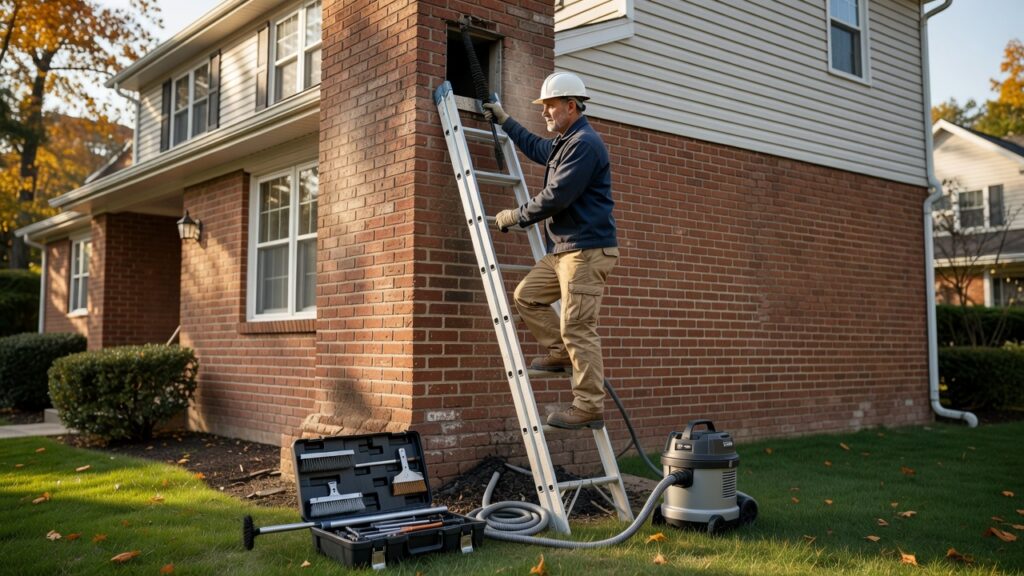
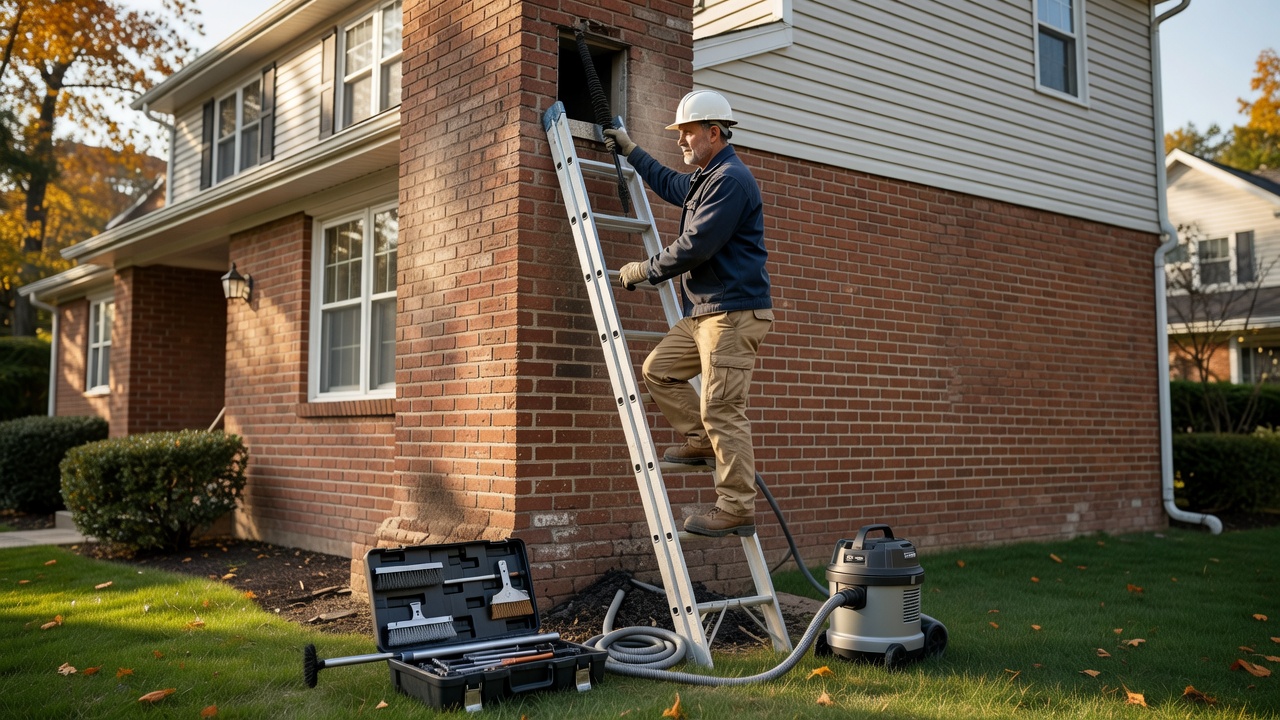
The base service includes much more than simply brushing soot from the flue. A CSIA-certified chimney technician carefully inspects the:
- Firebox
- Smoke chamber
- Damper
- Flue liner
- Chimney crown
- Venting system
If any damage or safety concerns are found during the inspection, additional repairs may be recommended. That’s not an unexpected upsell it’s the purpose of a professional inspection: identifying problems before they become dangerous or significantly more expensive.
Why Waiting Until Fall Can Cost More
Every year, homeowners throughout Barrington, Cherry Hill, Haddonfield, Voorhees, Lawnside, Collingswood, and surrounding Camden County towns rush to schedule chimney cleanings in October and November.
As demand increases:
- Appointment availability becomes limited.
- Wait times often stretch from a few days to several weeks.
- Repairs may not be completed before fireplace season begins.
If your inspection uncovers a damaged liner, chimney crown issues, or excessive creosote buildup, you could be forced to delay using your fireplace until repairs are completed.
Scheduling your chimney cleaning during late summer or early fall helps avoid these seasonal delays and often provides greater flexibility for any necessary repairs.
Six Common Problems Found During Chimney Cleaning
1. Glazed Creosote Buildup
One of the most serious issues technicians encounters is Stage Two or Stage Three creosote.
Instead of dry, flaky soot, glazed creosote appears as a shiny, hardened, tar-like coating that cannot be removed with standard chimney brushes.
Common causes include:
- Burning wet or unseasoned firewood
- Smoldering fires
- Chimneys that remain too cool during operation
Typical solution
Technicians first apply specialized chemical treatments that loosen the hardened deposits before returning for a second cleaning.
Typical additional cost: $300–$500
Using properly seasoned hardwood and maintaining hotter, cleaner-burning fires helps reduce future buildup.
2. Cracked or Damaged Flue Tiles
Clay tile liners naturally deteriorate over time.
Technicians may discover:
- Broken tile fragments
- Hairline cracks
- Larger structural fractures inside the flue
These problems commonly result from:
- Thermal expansion
- Freeze-thaw cycles
- Previous chimney fires
A Level 2 camera inspection is often required to determine the extent of the damage.
Typical repair options
- Stainless steel chimney liner installation
- HeatShield resurfacing (when appropriate)
Typical repair cost: $1,500–$3,500
Many older New Jersey homes built between the 1960s and 1980s eventually require liner replacement due to normal aging.
3. Deteriorated Smoke Chamber Mortar
If smoke enters your home even when the damper is open, deteriorated smoke chamber mortar could be the cause.
During the inspection, technicians evaluate the smoke chamber for:
- Cracked parging
- Missing refractory mortar
- Uneven chamber walls
Typical repair
Rebuilding the smoke chamber using high-temperature refractory mortar restores proper airflow and improves fireplace performance.
Typical repair cost: $400–$900
Routine annual inspections usually catch this issue before it causes significant smoke or drafting problems.
4. Damaged or Stuck Fireplace Damper
Rust and moisture often cause dampers to become difficult or impossible to operate.
Common symptoms include:
- Damper won’t fully open
- Damper won’t close completely
- Rusted components
- Poor fireplace draft
Repair options
Traditional throat damper replacement: $150–$300
Top-mounted damper installation: $200–$400
Top-mounted dampers also function as chimney caps, helping prevent rain intrusion and wildlife entry.
5. Water Damage, Crown Cracks, and Efflorescence
White staining on exterior brickwork known as efflorescence—often indicates water intrusion.
Left untreated, moisture eventually causes:
- Cracked crowns
- Spalling brick
- Damaged mortar joints
- Interior chimney deterioration
Typical repair costs
Minor crown repairs: $150–$350
Complete crown replacement: $400–$700
Ignoring water damage often leads to tuckpointing or masonry repairs costing $800 or more.
6. Animal Nests and Chimney Blockages
Barrington-area chimneys frequently attract:
- Chimney swifts
- Starlings
- Squirrels
- Raccoons
Blocked chimneys reduce ventilation and create serious fire hazards.
It’s important to note that chimney swifts are federally protected, meaning nests generally cannot be removed until after migration.
Typical solution
- Safe nest removal (when legally permitted)
- Installation of a stainless-steel chimney cap
Typical cost: $150–$350
A properly installed chimney cap is one of the best long-term investments for preventing future nesting issues.
When Should You Schedule Chimney Cleaning?
For homeowners throughout Barrington and Camden County, the ideal time to schedule chimney maintenance is late July through early September.
Booking early offers several advantages:
- Greater appointment availability
- Stable pricing
- Plenty of time to complete repairs before cold weather
- Peace of mind before fireplace season begins
Waiting until October isn’t always a problem—but waiting until November often means longer delays, limited scheduling options, and potential interruptions to your heating season.
Annual chimney inspections aren’t simply recommended—they’re an important part of protecting your home from preventable fire hazards and costly structural damage.
Protect Your Fireplace Before Heating Season Arrives
Your chimney quietly protects your home every time you light a fire. Regular inspections and cleanings help prevent dangerous creosote buildup, improve efficiency, extend the life of your chimney system, and identify repairs before they become major expenses.
Whether you use your fireplace every weekend or only a few times each winter, scheduling an annual inspection is one of the most cost-effective ways to protect both your home and your family.
Frequently Asked Questions
1. How often should a chimney be cleaned?
Most homeowners should have their chimney inspected annually and cleaned whenever creosote buildup or debris is present. Homes that use wood-burning fireplaces regularly may require more frequent cleanings.
2. What factors affect chimney cleaning costs?
The cost depends on several factors, including chimney height, accessibility, fuel type, creosote buildup, and whether repairs or a more detailed inspection is required.
3. Is chimney cleaning really necessary if I rarely use my fireplace?
Yes. Even infrequently used chimneys can accumulate animal nests, moisture damage, and structural deterioration that may create safety hazards.
4. How long does a professional chimney cleaning take?
A standard chimney inspection and cleaning usually take 45 minutes to 90 minutes, depending on the condition of the chimney and whether additional inspection is needed.
5. What’s the best time of year to schedule chimney cleaning?
Late summer and early fall are ideal. Scheduling before peak fireplace season provides better appointment availability and allows time to complete any necessary repairs before colder weather arrives.
Schedule Your Chimney Inspection Today
Don’t wait until the first cold night of the season to find out your chimney needs repairs. A professional inspection today can help prevent costly damage, improve fireplace performance, and give you confidence that your system is ready for winter.
Barrington Chimney proudly serves homeowners throughout Barrington, Lawnside, Haddon Township, Runnemede, Cherry Hill, Voorhees, Haddonfield, Collingswood, and the greater Camden County area.
Contact Barrington Chimney today to schedule your chimney cleaning and inspection, and enjoy a safer, warmer home all season long.
Related reading
Dave Perrone, NFI Certified
Fireplace & Flue Specialist
Expert in chimney flue repair and gas fireplace servicing across South Jersey.